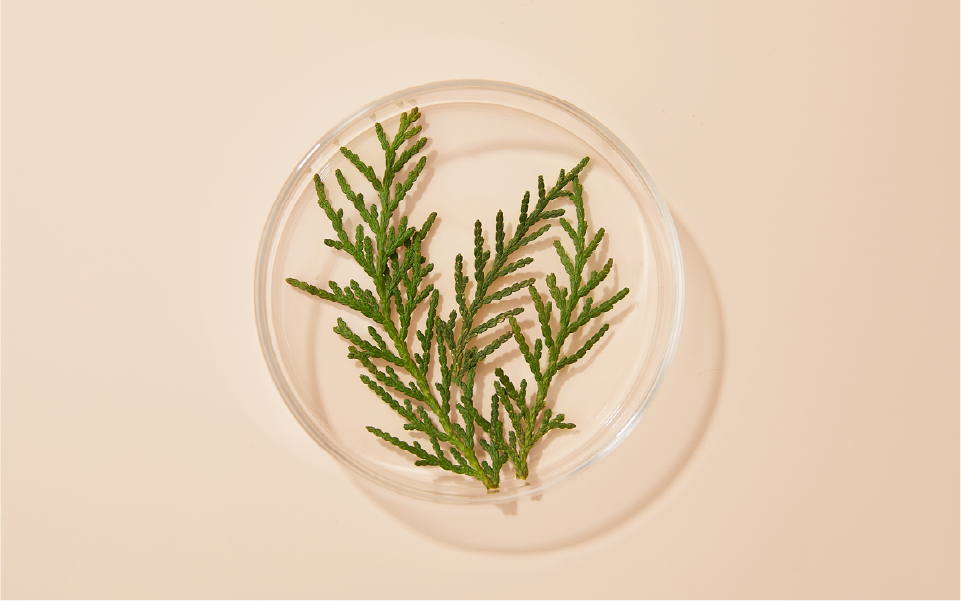
Platycladus Orientalis Leaf Extract
The Ancient Secret to Stronger Hair
Used for over 2,000 years in traditional Asian hair care, Platycladus Orientalis Leaf Extract is the only botanical ingredient officially recognized by China’s National Medical Products Administration for its hair loss prevention benefits. This time-honored botanical first appeared in the Shennong Bencao Jing (Shennong’s Classic of Materia Medica) around 200 AD, where it was celebrated for its ability to darken hair and prevent shedding. Later, the renowned Compendium of Materia Medica (1596) documented its power to treat hair loss and nourish follicles. For centuries, Asian communities have brewed this leaf into scalp rinses to combat thinning and premature graying—proving that some beauty secrets truly stand the test of time.
Black Ginger Extract
Thailand’s “Black Ginseng” for Scalp Vitality
Also known as Kaempferia parviflora, Black Ginger has been treasured across Southeast Asia for over a millennium. Ancient Thai healers called it “the elixir of life,” while traditional Chinese medicine documented it in the Tang Bencao (Tang Dynasty Materia Medica) and later crowned it a top-tier herb in the Compendium of Materia Medica. Modern research reveals why: this potent rhizome contains up to 10 times more polymethoxyflavones and curcuminoids than regular ginger, delivering powerful bioactive compounds that energize the scalp. It promotes healthy cell turnover, supports follicle activation, and helps maintain a balanced, comfortable scalp environment—addressing the root causes of hair loss from the ground up.
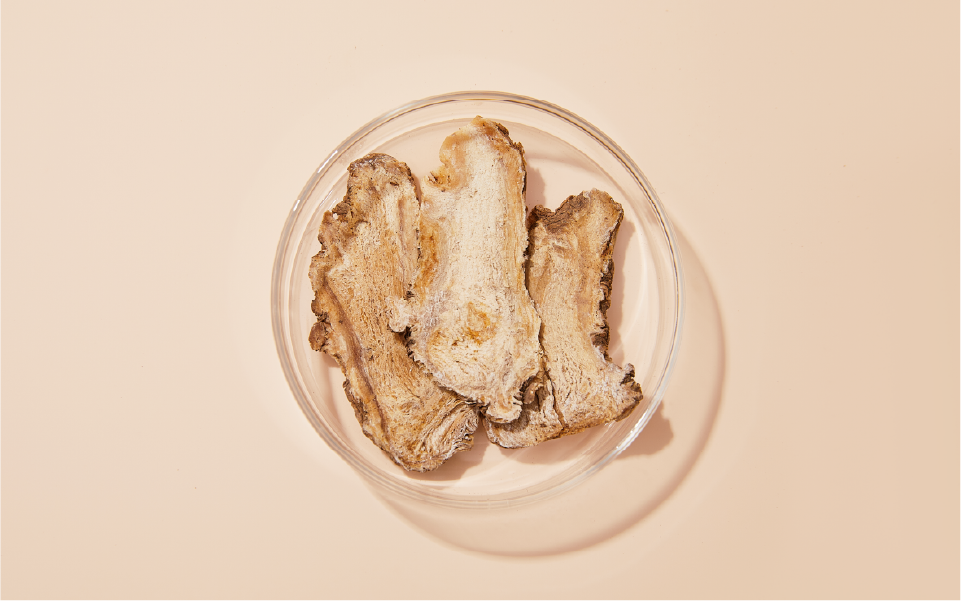
Angelica Sinensis Extract
The “Blood Tonic” for Hair Vitality
Angelica Sinensis—known as Dong Quai or “female ginseng”—has been revered in Eastern wellness traditions since the Han Dynasty (206 BC–220 AD). First recorded in the Shennong Bencao Jing as a “blood-nourishing” miracle herb, it earned its reputation as the ultimate tonic for vitality. By the Ming Dynasty, the Compendium of Materia Medica had cemented its status as a premier ingredient for nourishing hair from within. Historical accounts reveal that Chinese royalty used Angelica-infused preparations for lustrous locks, while traditional herbalists prescribed it to address hair thinning caused by poor circulation and nutritional deficiency. Today, we harness this legendary root to deliver deep follicular nourishment—because healthy hair starts with a healthy scalp.
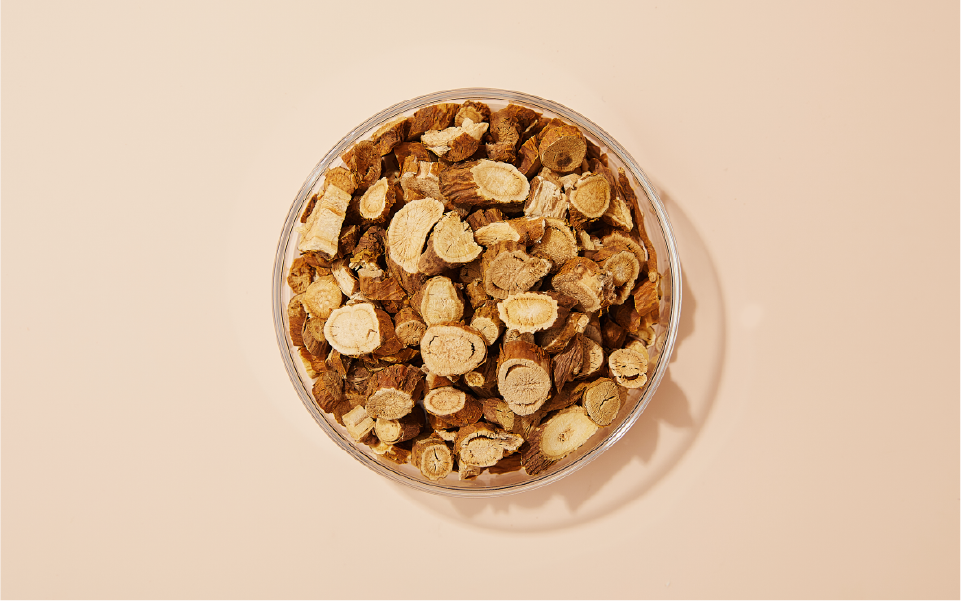
Sophora Angustifolia Root Extract
Ancient Root for Balanced, Comfortable Scalp
Sophora Angustifolia Root has been a cornerstone of traditional Asian scalp care since the Qin and Han dynasties (221 BC–220 AD). This powerful botanical was meticulously documented in the Compendium of Materia Medica and the Essential Prescriptions Worth a Thousand Gold (Beiji Qianjin Yaofang), two of China’s most revered medical texts. By the Qing Dynasty, even imperial courts relied on Sophora-infused preparations to address scalp discomfort and maintain healthy-looking hair. For centuries, traditional herbalists have brewed this bitter, cooling root into scalp rinses to help purify, soothe, and rebalance the scalp environment.
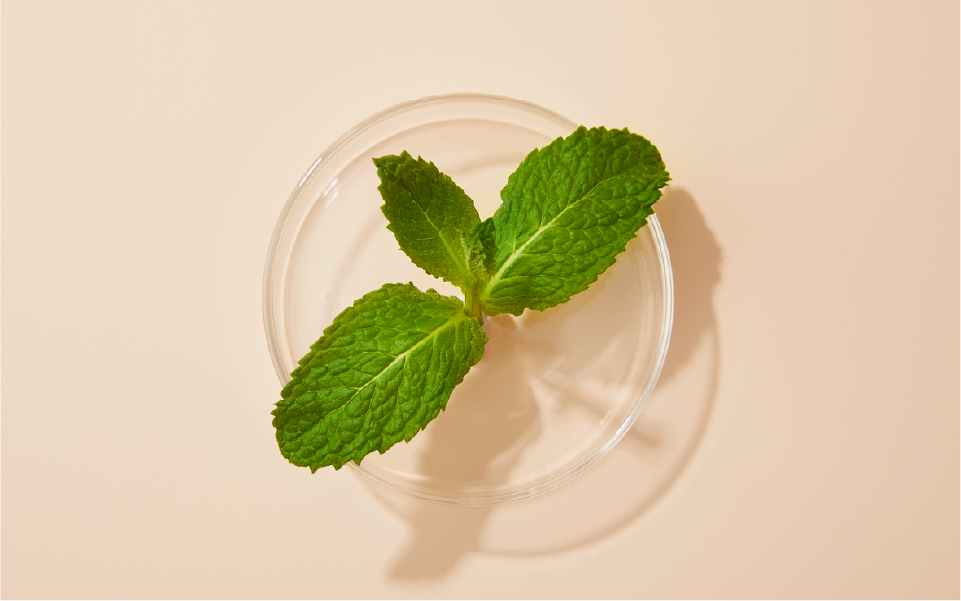
Peppermint Leaf Extract
Cooling Botanical for Refreshingly Clean Hair
Peppermint —wild mint—has been treasured across Asia for millennia as the ultimate scalp refresher. First recorded in the Tang Bencao (Tang Dynasty Materia Medica) and later celebrated in the Compendium of Materia Medica, this aromatic leaf was traditionally valued for its ability to disperse heat, relieve wind, and calm itching. For generations, communities have steeped fresh mint leaves into cooling scalp rinses to clarify, refresh, and invigorate the scalp. Rich in natural menthol, this botanical delivers an instant sensation of cool, clean comfort.
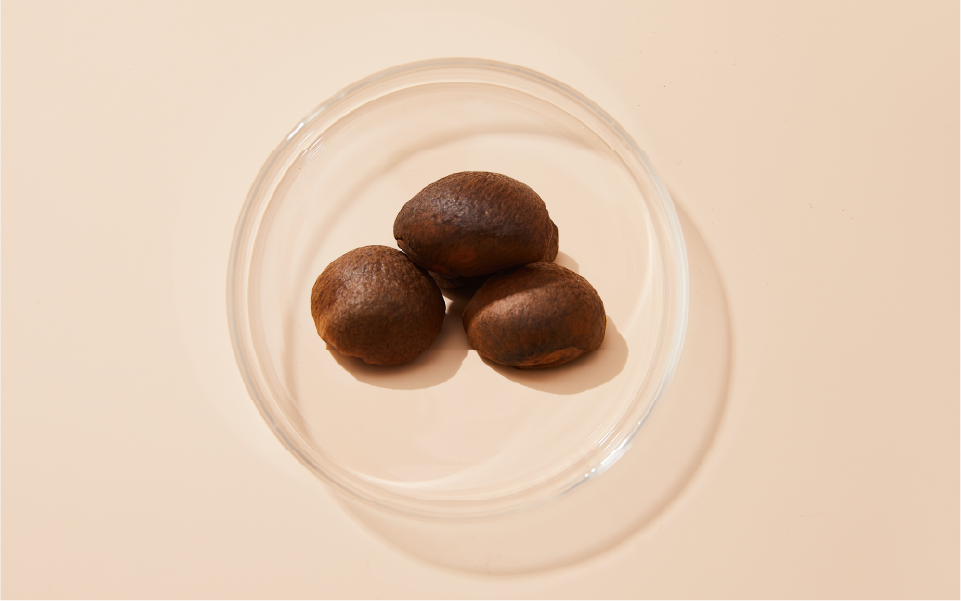
Camellia Seed Extract
Ancient Beauty Secret for Clean, Bouncy Hair
Camellia seeds have been prized across East Asia for over 2,000 years as nature’s original hair cleanser. Long before modern shampoos existed, ancient communities in southern China were already boiling these seeds—known as “tea bran”—into gentle cleansing rinses. This time-honored tradition was meticulously recorded in the Compendium of Materia Medica and the Complete Book of Agriculture (Nongzheng Quanshu), both documenting tea bran’s remarkable ability to cleanse away buildup, soothe the scalp, and leave hair looking darker, fuller, and lustrous.
The secret lies in nature’s perfect balance: natural tea saponins gently lift away dirt and excess oil without stripping, while camellia oil traditionally nourishes strands from root to tip.
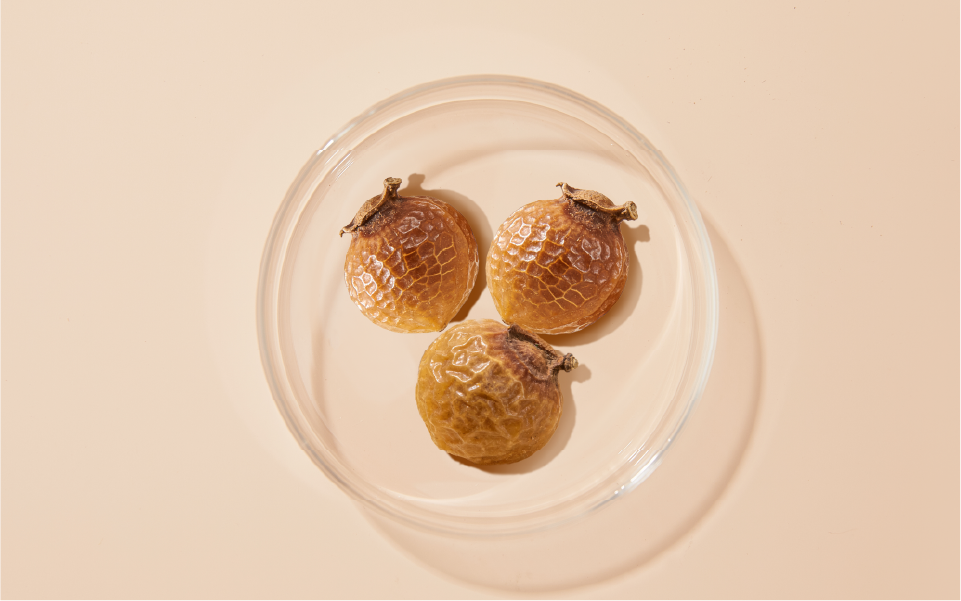
Sapindus Mukorossi Fruit Extract
The “Soap Berry” That Outshone Ancient Cleansers
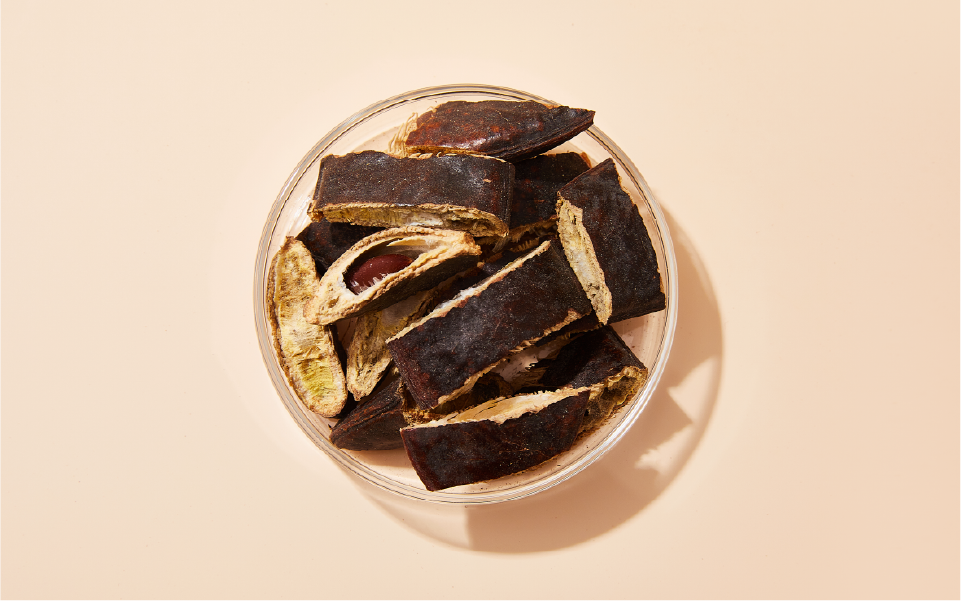
Sapindus Mukorossi—literally “the fruit that worries nothing”—has been trusted for hair cleansing since the Tang Dynasty (618–907 AD), when households across China discovered its remarkable foaming power. By the Ming Dynasty, the legendary Compendium of Materia Medica had officially crowned it superior to even the famed honey locust: “For bathing face and body, it removes grime while leaving skin supple and moist—better than honey locust.” The text further praised its traditional use for washing hair and promoting overall vitality.
For over a millennium, families have relied on this humble golden fruit to naturally cleanse, refresh, and beautify their hair.
Gleditsia Sinensis Fruit Extract
Imperial China’s Original Gentle Cleanser
Gleditsia Sinensis—honey locust fruit—has been the backbone of traditional Chinese hair care since the Han Dynasty (206 BC–220 AD). By the Tang and Song dynasties, it had become the go-to cleansing botanical across the empire, celebrated in countless households for over a thousand years. The great physician Li Shizhen immortalized it in his Compendium of Materia Medica (1596), documenting its dual power: “Burned and applied to hair, it darkens and moisturizes the temples” and “removes grime and grease, cleansing skin and hair.”
Rich in natural saponins, this botanical creates a dense, cloud-like foam that lifts away impurities while respecting your scalp’s natural balance.
Panax Ginseng Root Extract
The “King of Herbs” for Revitalized, Resilient Hair
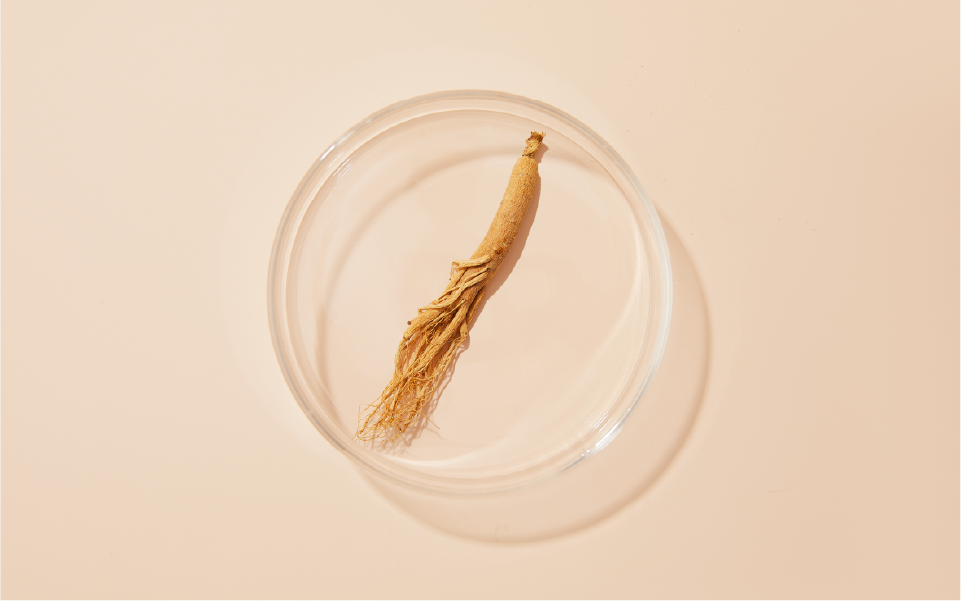
Panax Ginseng—known as the “King of All Herbs”—has been prized for over 4,000 years as one of Asia’s most treasured vitality botanicals. Since the time of the Yellow Emperor (around 2700 BC), this powerful root has been celebrated for its nourishing properties. By the Han Dynasty, it was crowned the ultimate “qi-tonifying” treasure, and the Ming Dynasty’s Compendium of Materia Medica officially bestowed upon it the title “King of the Hundred Herbs” for its ability to nurture the body and beautify hair. Ancient imperial courts regularly incorporated ginseng into luxurious hair preparations to strengthen roots and enhance hair’s natural resilience.
Aloe Vera Leaf Extract
Silk Road Secret for Soft, Manageable Hair
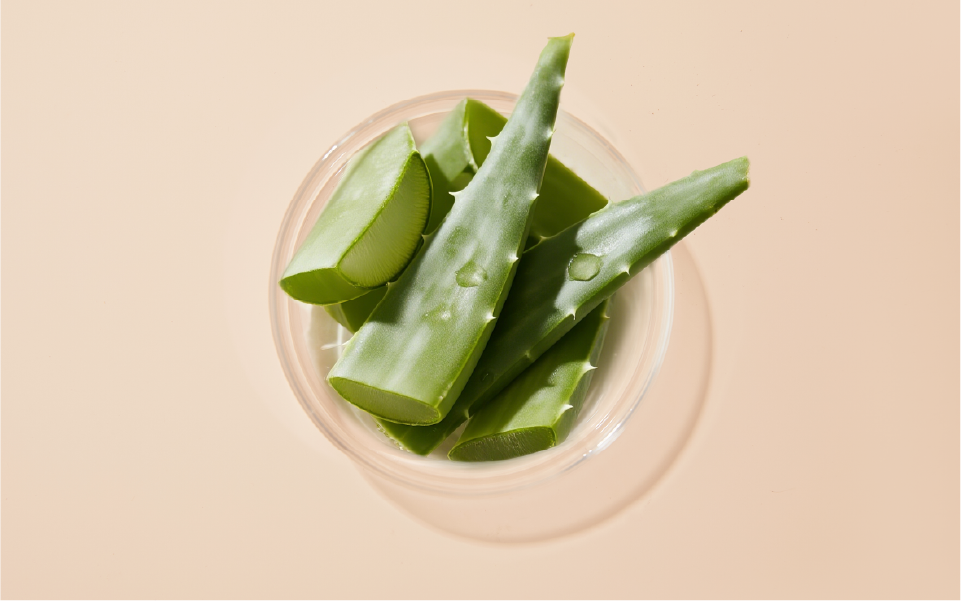
Aloe Vera’s journey to China began over 2,200 years ago along the ancient Silk Road, traveling from Persia (modern-day Iran) to become one of Asia’s most beloved botanical treasures. By the Qing Dynasty, this succulent had earned its place in the Lingnan Medicinal Records, where it was specifically noted as a natural alternative to hair oils: “Women apply the gel to their palms to smooth and condition hair, replacing conventional oils.” For centuries, this clear, cooling gel has been nature’s answer to dry, unruly strands—delivering lightweight moisture without the greasy residue.
Morus Alba Leaf Extract
Imperial China’s Secret for Full, Flowing Hair
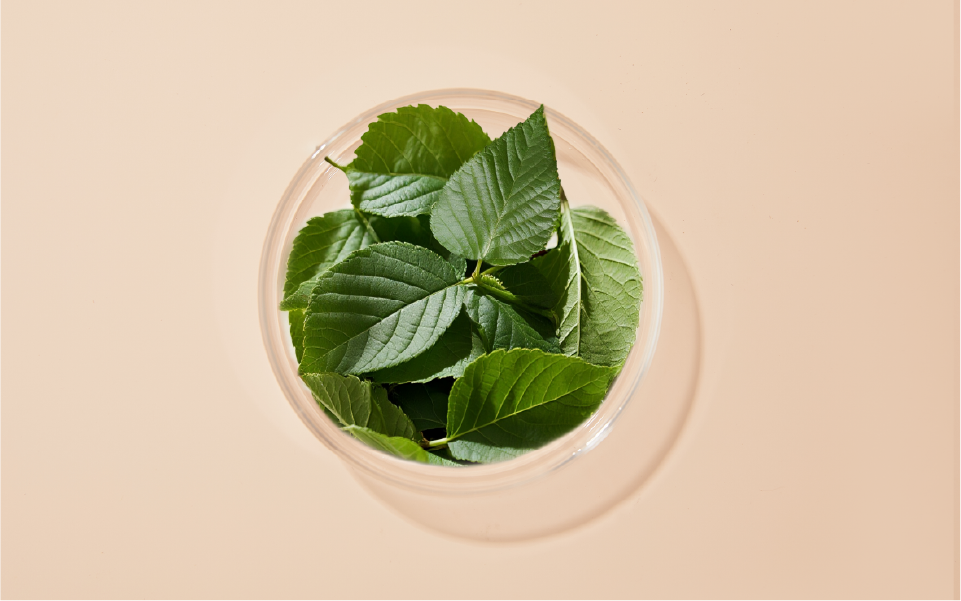
Morus Alba—white mulberry leaf—has been nurturing beautiful hair since the Han and Tang dynasties (206 BC–907 AD). First recorded in the Shennong Bencao Jing (Shennong’s Classic of Materia Medica), this delicate leaf was later celebrated in the Compendium of Materia Medica for its traditional ability to “brighten the eyes, reduce perspiration, and promote long, lustrous hair.” From Tang Dynasty courts to Song Dynasty nobility, imperial households treasured mulberry leaf rinses as essential beauty rituals. For over a millennium, women across China have brewed these leaves into clarifying scalp treatments to refresh, balance, and beautify their hair—passing down the secret from mother to daughter through generations.
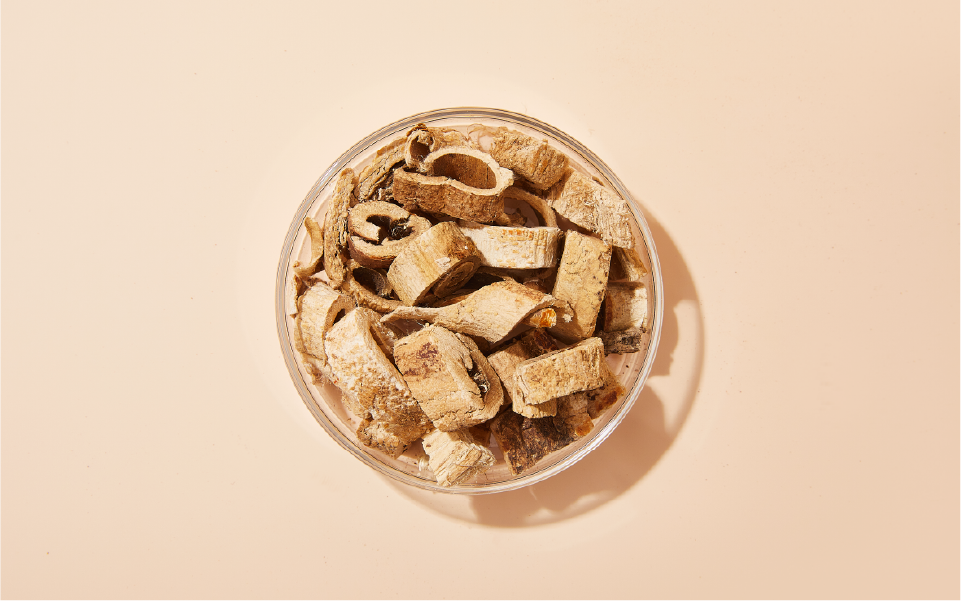
Morus Alba Root Bark Extract
Time-Honored Botanical for Healthy-Looking Hair
Morus Alba Root Bark has been treasured across East Asia for millennia as a cornerstone of traditional hair care. First recorded in the Shennong Bencao Jing (Shennong’s Classic of Materia Medica), this remarkable botanical was later celebrated in the Tang Dynasty’s Qianjin Fang (Prescriptions Worth a Thousand Gold) for its traditional use in hair cleansing rituals. By the Ming Dynasty, the renowned Compendium of Materia Medica had documented its reputation for supporting healthy-looking hair and nourishing the scalp. For generations, families have brewed this bark into clarifying rinses to refresh the scalp, enhance hair’s natural beauty, and promote the appearance of stronger, more resilient strands.
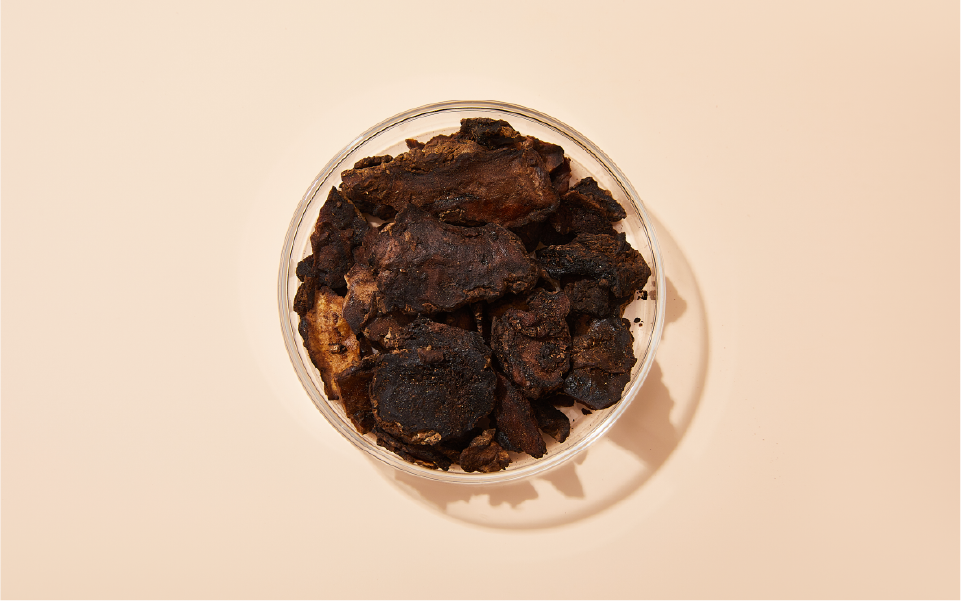
Rehmannia Glutinosa Root Extract
Imperial Dynasty Botanical for Scalp Vitality
Rehmannia Glutinosa has nurtured scalps and beautified hair since the Han Dynasty (206 BC–220 AD), with its traditional use meticulously recorded in the Ming Dynasty’s Compendium of Materia Medica. Over centuries of practice, this prized root became a staple in traditional Chinese hair care formulations. Historical texts describe it being combined with chrysanthemum in herbal wines for scalp application, or crafted into cleansing preparations. By the Qing Dynasty, Rehmannia was regularly paired with other treasured botanicals like Platycladus and Polygonum multiflorum in traditional “hair wash powders”—luxurious rituals designed to nourish, balance, and beautify.
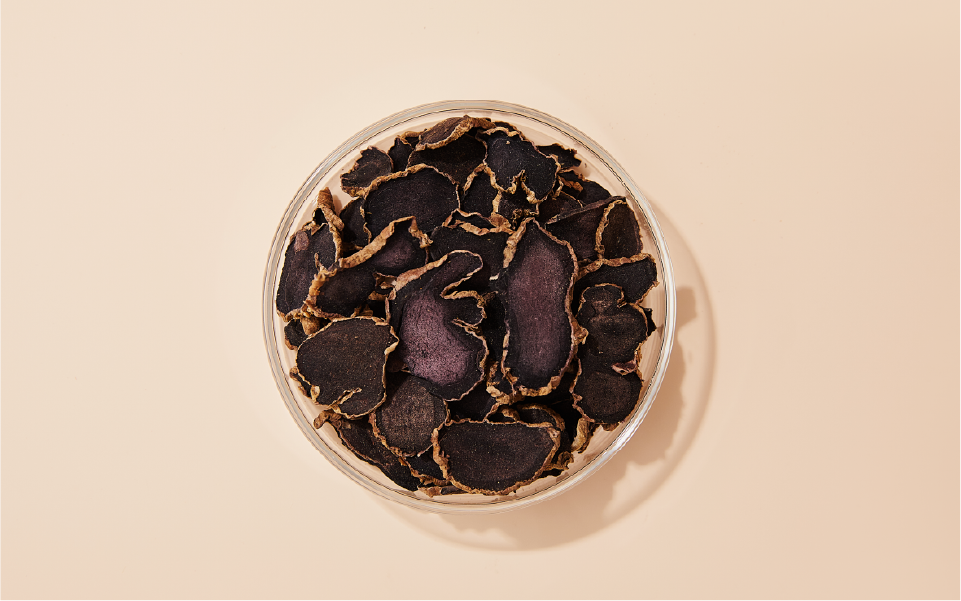
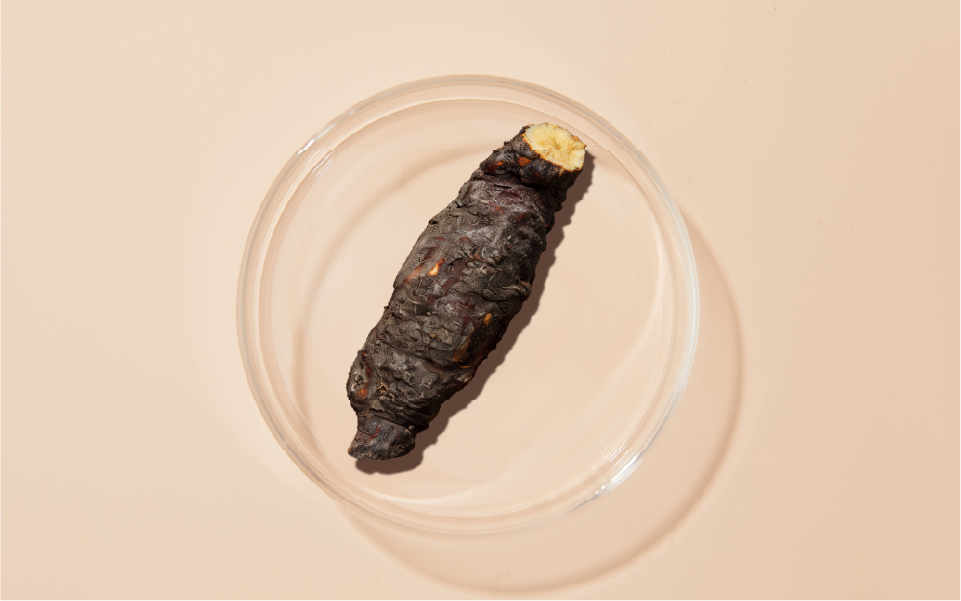
Polygonum Multiflorum Root Extract
Legendary Botanical for Timeless Hair Beauty
Polygonum Multiflorum—known as He Shou Wu or “Black-Haired Mr. He”—stands as one of China’s most celebrated hair care botanicals, with a history spanning over a thousand years. First documented in the Kaibao Bencao (Kaibao Materia Medica) during the Song Dynasty, this revered root was later meticulously detailed in both the Compendium of Materia Medica and Shennong’s Classic of Materia Medica: Collected Commentaries for its traditional association with beautiful, healthy-looking hair. Ancient legend tells of Mr. He, whose gray hair turned dark and lush after discovering this remarkable plant—giving the herb its poetic name and cementing its place in beauty folklore.
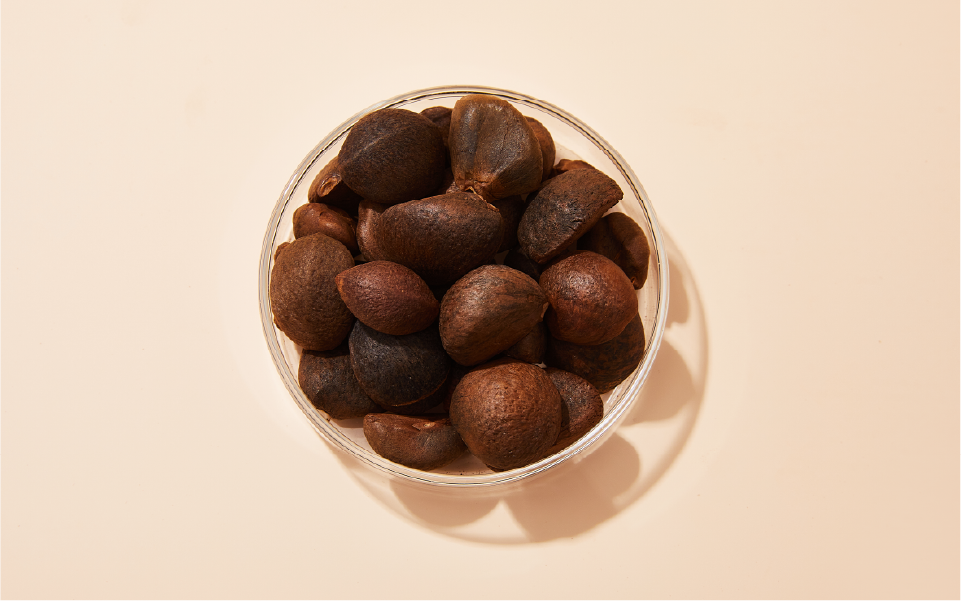
Camellia Japonica Seed Oil
Imperial China’s Timeless Hair Elixir
Camellia Japonica Seed Oil—prized as China’s native beauty secret—has graced hair for over 3,000 years. Ancient texts like the Classic of Mountains and Seas (Shan Hai Jing) revered this “noble wood” oil so highly that it was reserved as tribute for imperial courts. Later, both the Compendium of Materia Medica and Farmers’ Diet Manual documented its traditional use in nurturing lustrous, beautiful hair. For millennia, Chinese women have massaged this lightweight, golden oil into their strands, passing down the ritual from mother to daughter. Today, the tradition continues—most notably in Hakka communities, where families still anoint newborns’ delicate hair with this same precious oil, a living testament to its gentle, time-honored care.
Olea Europaea (Olive) Fruit Oil
Mediterranean “Liquid Gold” for Luminous Hair
Olive Oil has been the crown jewel of beauty rituals since ancient Egypt and Greece—so precious it was called “liquid gold.” Legend holds that Cleopatra herself relied on this luxurious oil to maintain her famously lustrous, resilient hair. By the Tang Dynasty, this treasure had traveled the Silk Road to China, where it was quickly embraced for its remarkable ability to transform dry, unruly strands. For over two millennia, cultures across continents have reached for this same golden elixir—proof that true beauty wisdom knows no borders.
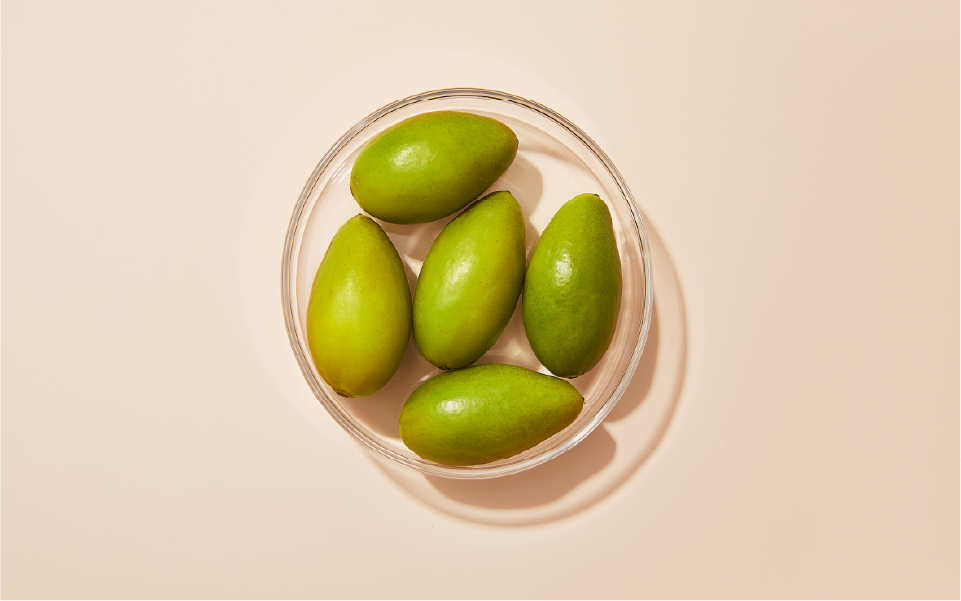
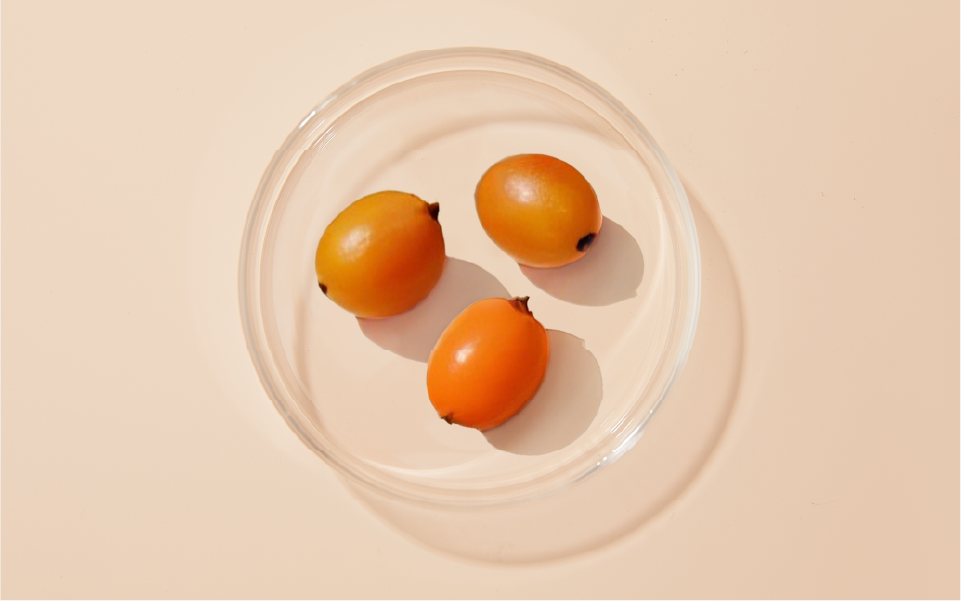
Hippophae Rhamnoides (Sea Buckthorn) Fruit Oil
Tibetan Plateau’s Secret for Resilient, Radiant Hair
Sea Buckthorn Fruit Oil has been the guardian of beautiful hair among high-altitude communities for over 1,200 years. First documented in the Yue Wang Yao Zhen (Medical Treatise of the Moon King) and the Four Medical Tantras (Rgyud-bzhi) during the Tang Dynasty, this vibrant orange berry was later celebrated in the Crystal Pearl Materia Medica (Jing Zhu Ben Cao) for its nourishing properties. The story goes that in the 8th century, the revered Tibetan physician Yuthok Yonten Gonpo noticed something remarkable: plateau herders exposed to harsh winds and intense sun maintained strikingly dark, lustrous hair. Their secret? This very oil, pressed from wild sea buckthorn berries and worked through their strands daily.
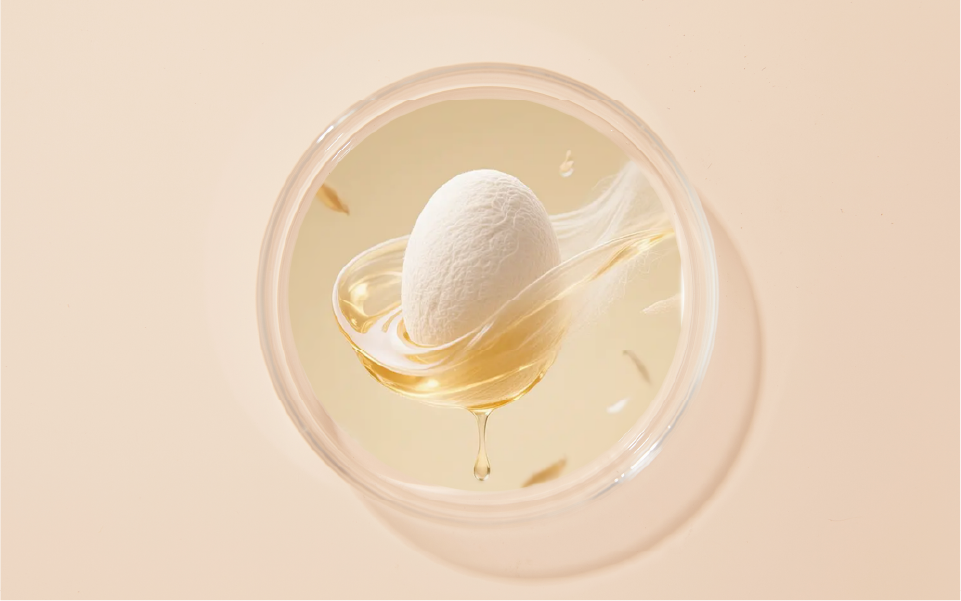
Hydrolyzed Silk Protein
Imperial Dynasty’s Secret for Luxuriously Soft Hair
Silk has been synonymous with luxury and beauty in Asia for over two millennia. Ancient beauty rituals called for grinding silk into fine powder and blending it into nourishing hair preparations—a practice meticulously documented in both the Essential Prescriptions Worth a Thousand Gold (Qianjin Yaofang) and the Compendium of Materia Medica. By the Tang and Song dynasties, silk protein had become a coveted treasure in imperial courts, reserved for the elite to maintain exceptionally soft, lustrous hair. By the Ming and Qing dynasties, it had evolved into a closely guarded secret among aristocratic families—a symbol of refined beauty passed through generations.